
The Compromise Industrial Complex: A Terrible American Tradition
A harsher review from posterity is difficult to imagine.

ICYMI
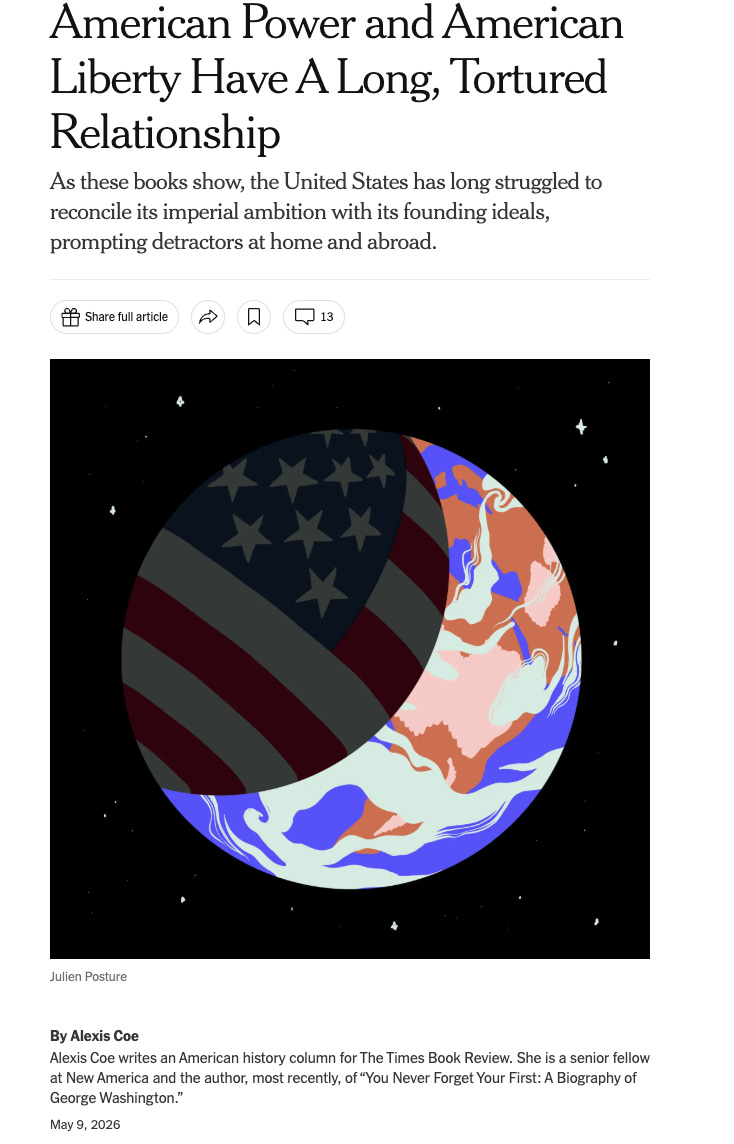
The process of writing my latest NYT column on empire.
The Compromise Industrial Complex: A Terrible American Tradition

Compromise has a wonderful public relations team in American history. Millard Fillmore is the poster president for why it shouldn’t.
“God knows I detest slavery,” Fillmore wrote, but as former Congressman Steve Israel reminds us in his excellent “In Pursuit” essay, the 13th president quickly arrived at the qualification: slavery was “an existing evil” that still had to be protected under the Constitution.
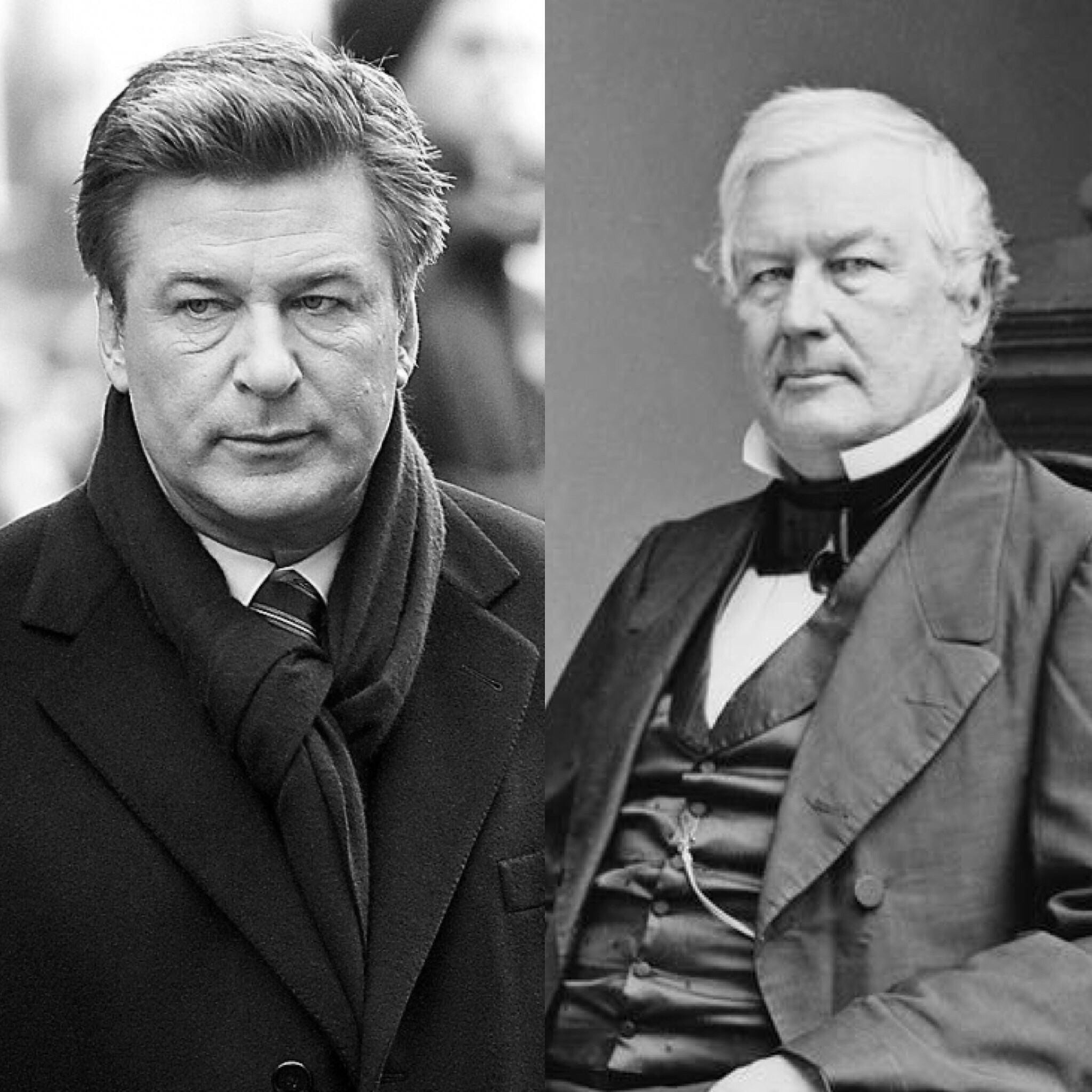
And so he signed the Compromise of 1850 anyway: a sprawling attempt to quiet the country’s escalating fight over slavery and the territories seized from Mexico. California entered the Union as a free state. In exchange, the Fugitive Slave Act forced free states to help capture and return escaped people to bondage. The country bought itself time and called it peace.
That’s the point Israel, proprietor of the great Theodore’s Books in Oyster Bay, lands so well. History’s most consequential failures are often committed by people who think of themselves as pragmatists. Fillmore wasn’t indifferent to suffering, but he saw disunion as the real nightmare, while slavery became both an active moral catastrophe—a procedural complication to be managed among powerful men. Or not. In the end, war arrived anyway, just older, bloodier, and carrying interest.
At the spot where Lincoln once sat, Israel writes, tourists “linger, admire, and take photographs.” Then, they continue exploring the rest of the Hall. “They walk all over Millard Fillmore in Washington. Literally.”
A harsher review from posterity is difficult to imagine.
See you soonish! In the meantime, you can find me on Instagram and, on occasion, Bluesky and Twitter. My books are at Bookshop, Amazon, and your local bookstore or library. If you’d like me to sign or personalize my books, purchase copies from Oblong Books.
To be fair to poor old Millard, compromise had kept north and south together in 1776, 1787, and 1820. He wasn't crazy to think it could work again...