The Paper Test
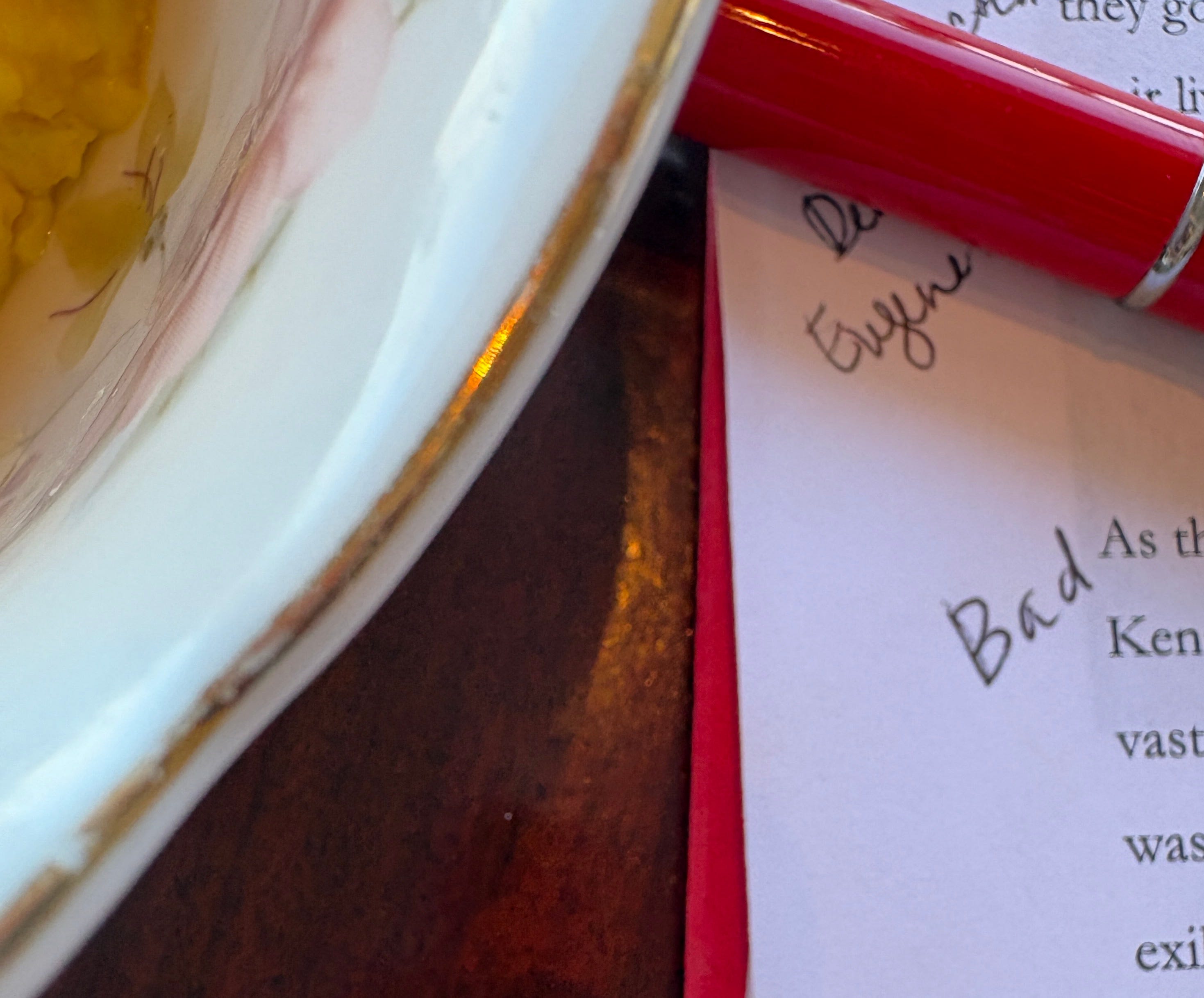
Clearly I’m deep in book edits and reminded, as with the last two, that there’s no truth like seeing your own sentence on paper — not glowing, not scrollable, just there in ink.
On a screen, everything feels provisional. It’s not a rehearsal, but it can go away. URLs break. Tabs close. Drafts vanish.
In print, there’s no blinking cursor to spare you. Some lines feel exactly how you imagined them. Many remind me of Joan Didion’s blunt admission: “I don’t know what I think until I read what I’ve written.” Or worse, I have no I idea what the hell I’d intended.
And that’s the thing. Sentences I’ve forgotten or read well, I thought, just last week, look plain terrible against a stark white backdrop. They collapse under their own weight, a reminder that E. B. White’s “no sentence should go unchallenged” is as easy as pressing print. On the page, your weakest sentences are as glaring as a walk of shame.
It’s an agonizing yet weirdly reassuring process — for your own book and, to be loftiest, for the future of books. Not born of the screen or conjured by AI, but gestated onscreen through old-fashioned software, always intended to live beyond it.


Kill your darlings!